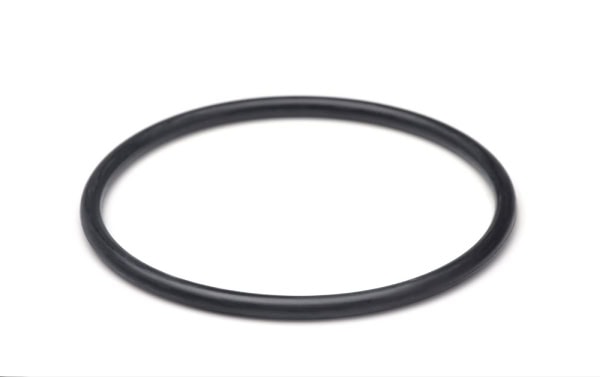
Selecting the right chemical-resistant O-ring requires close attention to material compatibility. Since each material reacts differently to steam, oils, fuels, and chemicals, it is crucial to select a material that can withstand both high-pressure and room-temperature operating conditions.
At Arizona Sealing Devices, we offer chemical-resistant O-rings constructed from quality materials to ensure reliable, lasting performance across a broad range of applications. Whether you need standard or custom O-rings, we deliver solutions engineered to perform reliably in even the most demanding chemical environments.
Standard and Custom Chemical-Resistant O-Rings
We offer both custom and standard pre-packaged chemical-resistant O-rings in a wide variety of shapes (round, square, quad) and sizes to meet the unique demands of an application.
When selecting a custom O-ring, the following features help ensure proper material compatibility:
- Chemical compatibility
- Opening configurations (gland type)
- Proportions of the outer diameter (OD)
- Range of stretch for the inner diameter (ID)
- Compression squeeze
- Extrusion gap
Why Choose Arizona Sealing To Fulfill Your Chemical-Resistant O-Ring Needs?
Since 1989, clients have turned to us for reliable products, trusted material guidance, and ongoing support. We are ISO 9001:2015-certified and have a deep understanding of the practical limitations of sealing applications across a diverse range of industries. Our expert team has the resources and expertise to help clients select the best elastomer material to meet the unique demands of their project, ensuring long-lasting performance and durability.
Chemical Causes of O-Ring Failure and How To Prevent It
The effectiveness of an O-ring depends on how well the material can withstand harsh operating conditions and extended chemical exposure. Choosing the wrong material can lead to premature degradation and/or failure due to the following issues:
- Absorption
- Blistering
- Brittleness
- Chemical incompatibility
- Cracking
- Environmental factors
- Material expansion
- Swelling
These issues can result in increased maintenance costs, a shortened equipment service life, and loss of sealing ability. To prevent O-ring failure, it is crucial to select a compatible material that can withstand the elevated pressures, temperatures, and chemical environment of the application. Utilizing an O-ring chemical resistance chart makes it easier to identify the type of material needed to minimize costly failures and ensure long-term reliability.
Materials Used for Chemical-Resistant O-Rings
- Aflas (TFE/P). Resists bases and acids up to 446 ºF, offering excellent thermal, electrical, and chemical resistance properties.
- Buna-N/Nitrile (NBR). A synthetic rubber material with unique chemical, fuel, and oil resistance properties, featuring high thermal resistance and tensile strength.
- Ethylene Propylene (EPR). The versatile elastomer exhibits excellent ozone, weather, and heat resistance with low gas permeability.
- Fluorocarbon (Viton®, FKM). Features outstanding high-temperature and chemical resistance, with excellent versatility and durability to a broad range of fluids.
- Hydrogenated Nitrile (HNBR). Offers high strength, excellent thermal properties, superior chemical resistance, and a sealing temperature range of -85 ºF to 350 ºF.
- Neoprene (CR). A good all-around material often used for refrigerator sealing due to its high strength and resistance to ammonia.
- Perfluoroelastomer (Kalrez, FFKM). Features excellent chemical resistance and is ideal for aggressive, high-temperature chemical processing applications.
- Polytetrafluoroethylene (Teflon, PTFE). One of the toughest materials available for O-rings, exhibiting extreme chemical inertness and a superior temperature range of -300 ºF to 450 ºF.
- Silicone rubber (VMQ). Holds up to acid, ozone, and weather exposure but is limited to static sealing due to its low abrasion resistance.